

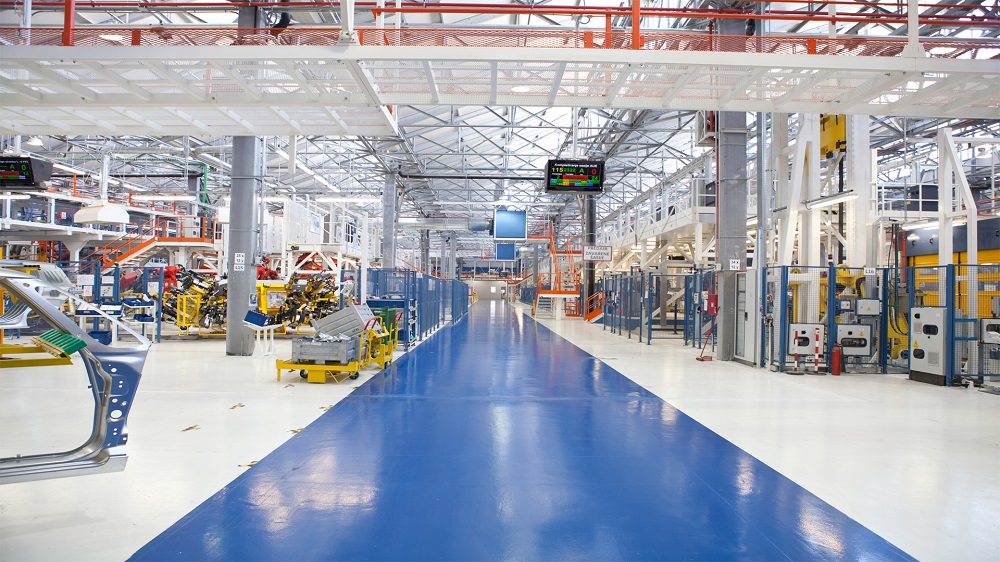
Manufacture is the backbone of economic development, transforming raw materials into finished or semi-finished goods that meet human needs. From everyday household items to advanced industrial machinery, manufacturing shapes productivity, innovation, and global trade.
What Is Manufacture?
Manufacture refers to the systematic process of converting raw materials or components into finished products through the use of labor, machinery, tools, and chemical or biological processes. It emphasizes efficiency, consistency, and scalability.
In modern economies, manufacturing is not just about production—it integrates technology, supply chains, quality control, and sustainability into a unified system.
Core Manufacturing Processes
Manufacturing involves a sequence of well-defined steps designed to ensure quality and efficiency.
1. Material Preparation
Raw materials such as metals, plastics, wood, or textiles are sourced, inspected, and prepared for processing.
2. Processing and Transformation
This stage alters the material’s physical or chemical properties through techniques such as:
- Casting
- Molding
- Cutting
- Machining
- Chemical treatment
3. Assembly
Individual components are combined into a complete product using manual labor, automation, or robotics.
4. Quality Control
Products are tested to ensure they meet required specifications, safety standards, and performance benchmarks.
5. Packaging and Distribution
Finished goods are packaged for protection, storage, and transportation to distributors or end users.
Major Types of Manufacturing
Manufacturing can be classified based on production volume, customization, and operational approach.
Discrete Manufacturing
Produces distinct items such as automobiles, electronics, and appliances.
- High precision
- Often automated
- Component-based production
Process Manufacturing
Used for goods that cannot be separated into individual units.
- Chemicals
- Pharmaceuticals
- Food and beverages
Batch Manufacturing
Products are made in groups or batches.
- Flexible production
- Cost-effective for medium volumes
- Common in textiles and food processing
Continuous Manufacturing
Operates non-stop to produce standardized goods.
- High efficiency
- Minimal downtime
- Common in oil refining and paper production
Role of Technology in Modern Manufacture
Technological advancement has reshaped manufacturing into a data-driven, intelligent system.
Key innovations include:
- Automation and robotics for speed and precision
- Computer-aided design (CAD) for accurate product modeling
- Internet of Things (IoT) for real-time machine monitoring
- Artificial intelligence (AI) for predictive maintenance
- Additive manufacturing (3D printing) for rapid prototyping
These technologies reduce waste, lower costs, and improve product consistency.
Importance of Manufacturing in the Economy
Manufacturing plays a critical role in national and global economies.
Key contributions include:
- Job creation across skilled and unskilled labor
- Export growth and foreign exchange earnings
- Technological innovation and research development
- Strengthening supply chains and infrastructure
Countries with strong manufacturing sectors often experience higher productivity and economic resilience.
Sustainable Manufacturing Practices
Modern manufacturing increasingly focuses on environmental responsibility.
Sustainable approaches include:
- Energy-efficient machinery
- Recycling and reuse of materials
- Reduced carbon emissions
- Lean manufacturing to minimize waste
- Ethical sourcing of raw materials
Sustainability not only protects the environment but also improves long-term profitability and brand trust.
Challenges Facing the Manufacturing Sector
Despite its importance, manufacturing faces several ongoing challenges:
- Rising raw material costs
- Skilled labor shortages
- Supply chain disruptions
- Compliance with environmental regulations
- Rapid technological change requiring continuous upskilling
Addressing these challenges requires innovation, workforce development, and strategic planning.
Future of Manufacture
The future of manufacturing lies in smart factories, where machines, systems, and humans collaborate seamlessly. Digital twins, autonomous production lines, and circular manufacturing models are expected to redefine efficiency and sustainability in the coming decades.
Frequently Asked Questions (FAQs)
1. What is the difference between manufacturing and production?
Manufacturing focuses on transforming raw materials into finished goods, while production is a broader term that includes manufacturing and service creation.
2. Is manufacturing only related to factories?
No, manufacturing can occur in factories, workshops, or even decentralized environments using technologies like 3D printing.
3. How does automation impact manufacturing jobs?
Automation reduces repetitive tasks but increases demand for skilled roles in programming, maintenance, and system management.
4. What skills are important for a career in manufacturing?
Key skills include technical knowledge, problem-solving, machine operation, quality control, and digital literacy.
5. How does manufacturing affect the environment?
Manufacturing can impact the environment through emissions and waste, but sustainable practices significantly reduce these effects.
6. What industries rely heavily on manufacturing?
Industries such as automotive, electronics, construction, pharmaceuticals, textiles, and food processing depend heavily on manufacturing.
7. What is smart manufacturing?
Smart manufacturing integrates digital technologies, automation, and data analytics to optimize production and improve decision-making.

Comments are closed.