

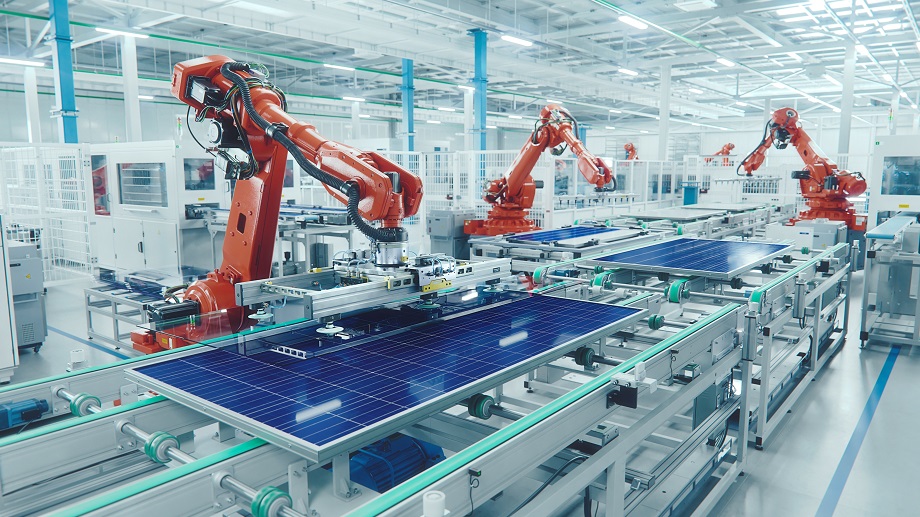
Industry forms the backbone of modern civilization. It transforms raw materials into finished goods, creates employment, drives innovation, and fuels economic growth. From traditional manufacturing to high-tech industrial ecosystems, the industrial sector continues to evolve in response to technology, globalization, and sustainability demands.
What Is Industry?
Industry refers to economic activities involved in the production of goods, extraction of resources, or provision of services at scale. It bridges the gap between natural resources and consumer markets, enabling societies to function efficiently.
Industries are typically categorized based on the nature of their activities, level of processing, and output value.
Major Types of Industry
Primary Industry
Primary industries focus on extracting natural resources directly from the Earth. These activities supply raw materials to other sectors.
Examples include:
- Agriculture and farming
- Mining and quarrying
- Fishing and forestry
- Oil and gas extraction
Secondary Industry
Secondary industries convert raw materials into finished or semi-finished goods through manufacturing and processing.
Key characteristics:
- Factory-based production
- Use of machinery and labor
- Value addition to raw materials
Common examples:
- Automobile manufacturing
- Textile production
- Steel and cement plants
- Electronics manufacturing
Tertiary Industry
The tertiary sector provides services that support individuals, businesses, and industries.
Includes:
- Transportation and logistics
- Retail and wholesale trade
- Banking and insurance
- Healthcare and education
Quaternary Industry
This knowledge-driven sector focuses on intellectual services and innovation.
Examples:
- Information technology
- Research and development
- Data analytics
- Consultancy services
Quinary Industry
Quinary industries are centered on personal and social services, often aimed at improving quality of life.
Examples include:
- Healthcare services
- Social work
- Public administration
- Community welfare services
Importance of Industry in Economic Development
Industry plays a critical role in shaping national and global economies.
Key contributions include:
- Employment generation across skill levels
- GDP growth through value creation
- Technological advancement and innovation
- Infrastructure development
- Export expansion and foreign exchange earnings
Industrial growth often leads to urbanization, improved living standards, and stronger global trade connections.
Modern Industrial Trends
Industry 4.0 and Digital Transformation
The rise of Industry 4.0 marks a shift toward smart, connected, and automated systems.
Core technologies include:
- Artificial intelligence and machine learning
- Industrial Internet of Things (IIoT)
- Robotics and automation
- Cloud computing and big data
- Digital twins and predictive maintenance
Sustainable and Green Industry
Environmental responsibility is now a central industrial priority.
Sustainability initiatives focus on:
- Reducing carbon emissions
- Energy-efficient manufacturing
- Waste minimization and recycling
- Renewable energy adoption
- Circular economy models
Globalization and Supply Chain Integration
Industries today operate within interconnected global supply chains, enabling cost efficiency but also increasing exposure to disruptions.
Current focus areas:
- Supply chain resilience
- Regional manufacturing hubs
- Nearshoring and reshoring strategies
- Risk diversification
Challenges Facing the Industrial Sector
Despite its importance, industry faces several structural and operational challenges.
Major challenges include:
- Rising energy and raw material costs
- Skilled labor shortages
- Environmental regulations and compliance
- Technological adaptation costs
- Geopolitical instability affecting trade
Addressing these challenges requires strategic planning, investment in innovation, and workforce upskilling.
The Future of Industry
The future of industry will be defined by automation, sustainability, and adaptability. Smart factories, cleaner production methods, and digitally skilled workforces will become standard rather than optional.
Industries that successfully adopt emerging technologies while balancing economic and environmental responsibilities will remain competitive in an increasingly complex global market.
Frequently Asked Questions (FAQs)
1. What is the main purpose of industry in an economy?
The primary purpose of industry is to convert resources into valuable goods and services, create employment, and drive economic growth.
2. How is Industry 4.0 different from traditional industry?
Industry 4.0 emphasizes automation, data exchange, and smart technologies, whereas traditional industry relies more on manual processes and isolated machinery.
3. Why is sustainability important for modern industries?
Sustainability helps industries reduce environmental impact, comply with regulations, lower long-term costs, and meet consumer expectations for ethical production.
4. Which industries are growing the fastest today?
Technology-driven industries such as renewable energy, electronics manufacturing, automation, and data-based services are experiencing rapid growth.
5. How does globalization affect industrial development?
Globalization expands markets and supply chains but also increases competition and vulnerability to international disruptions.
6. What skills are most important for the future industrial workforce?
Technical skills, digital literacy, problem-solving, adaptability, and continuous learning are essential for future industrial roles.
7. Can small industries compete with large industrial corporations?
Yes, small industries can compete by focusing on specialization, innovation, quality, and niche markets.

Comments are closed.