

The Rising Cost of Urban Construction Noise
Urban construction projects face mounting challenges as cities grow denser and regulations become stricter. Among these challenges, noise pollution is one of the most pressing issues impacting project budgets, timelines, and community relations. Construction sites generate significant sound levels from heavy machinery, demolition work, and material handling, often exceeding permissible noise limits. Without effective monitoring, these violations can result in costly penalties, community complaints, and even project shutdowns. For developers, the financial risks extend beyond fines—they also include delays, reputational damage, and strained relationships with councils and stakeholders. This is where noise monitoring systems have emerged as a game-changing investment, offering a measurable return on investment while supporting smoother project delivery.
Turning Compliance into Cost Savings
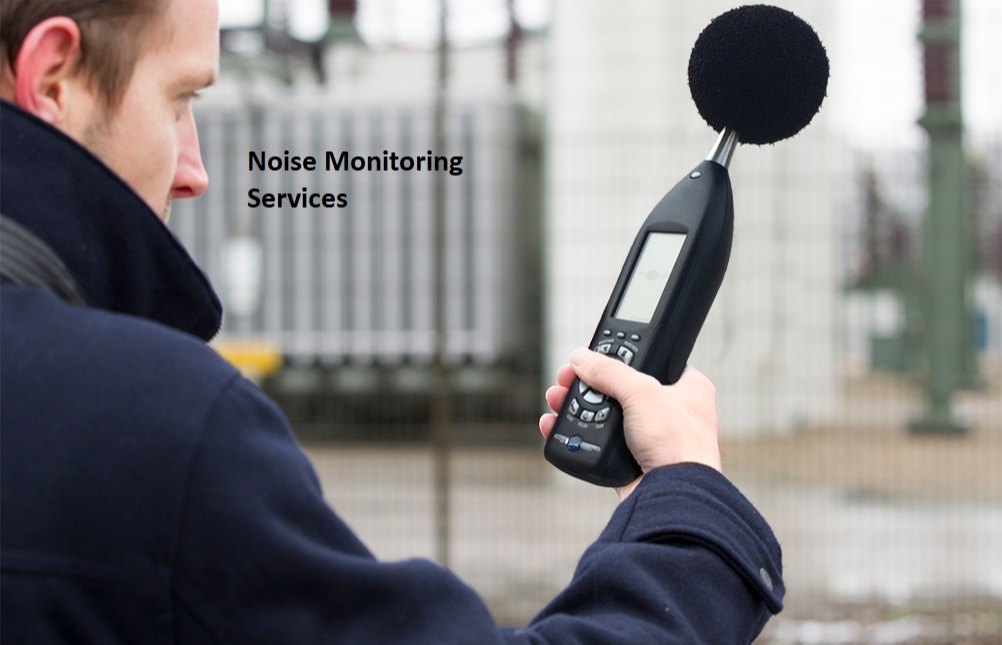
Strict noise regulations are enforced in most urban environments, and exceeding permitted levels can quickly lead to hefty fines and stop-work orders. Manual noise checks, traditionally performed using handheld meters, are often reactive and inconsistent, leaving construction companies vulnerable to compliance breaches. In contrast, modern noise monitoring systems offer real-time, automated data collection that ensures projects remain within legal thresholds.
By providing continuous insights into site noise levels, these systems empower project managers to take proactive measures before violations occur. Avoiding just a single penalty can offset the cost of installing a monitoring system, and over the life of a long-term project, the savings can be substantial. Beyond fines, maintaining compliance also protects developers from costly disputes with regulatory bodies, reducing legal expenses and preserving valuable project timelines.
Minimising Delays and Maximising Productivity
Project delays are one of the biggest threats to profitability in urban construction. Noise-related complaints often trigger investigations from local authorities, resulting in enforced downtime until sites are deemed compliant. Even short delays can lead to thousands of dollars in additional labour, equipment, and overhead costs.
With noise monitoring systems in place, project teams can address excessive sound levels immediately, preventing interruptions before they occur. This real-time responsiveness ensures work progresses smoothly, keeping schedules on track and minimising financial losses associated with stoppages. Furthermore, data collected from these systems allows managers to optimise workflows by identifying which activities generate the highest noise levels and scheduling them strategically to avoid peak disruption periods.
Protecting Reputation and Securing Future Projects
In high-density urban areas, construction noise can quickly become a source of tension between developers and the surrounding community. Ongoing complaints and media scrutiny can damage a company’s reputation, making it harder to secure future contracts or gain approval for new developments.
Noise monitoring systems offer transparency by providing verifiable data to councils, regulators, and local residents. Demonstrating a proactive approach to managing environmental impacts builds trust and fosters positive relationships with stakeholders. This reputational advantage can be just as valuable as the direct financial savings, positioning companies as responsible operators committed to sustainable urban development.
A Strategic Investment for Long-Term Profitability
The ROI of noise monitoring systems go far beyond avoiding fines. These solutions improve operational efficiency, minimise project delays, protect company reputations, and enhance stakeholder relationships—all while supporting regulatory compliance. In an era where construction costs are rising and profit margins are tightening, investing in real-time monitoring technology is no longer optional; it’s a strategic advantage. By leveraging data-driven insights, construction companies can deliver projects faster, manage risks more effectively, and achieve significant cost savings, ensuring long-term profitability in competitive urban markets.

Comments are closed.